


Dr. Gustavo Suárez · Patient information
Ideas, careand news.
Articles on facial surgery and consultations. Information to help you understand procedures and prepare your questions before a medical assessment.
View the articles View the articlesThe doctor's blog
To read
at your own pace.
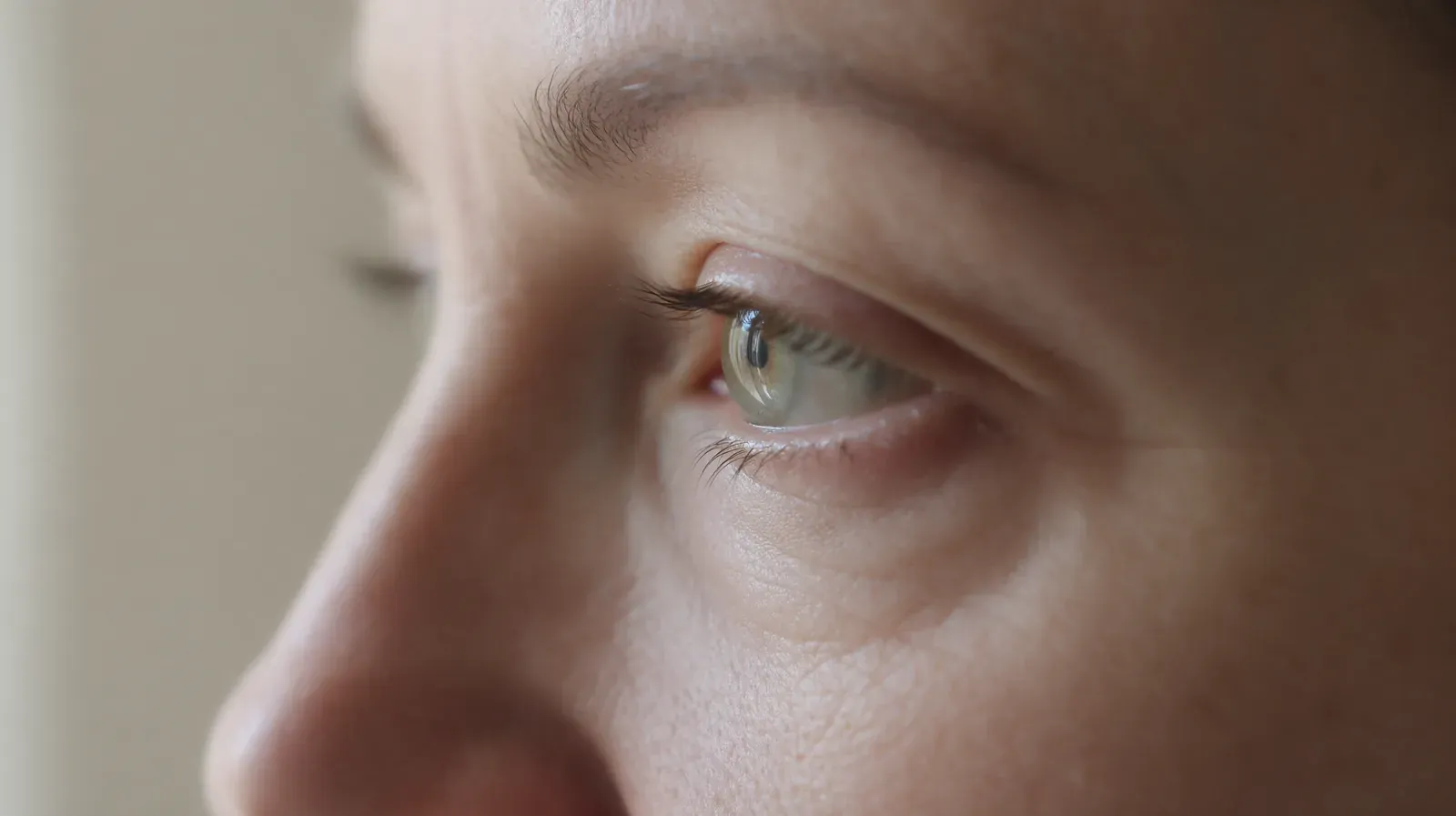
Eye bags: why they appear and when surgery is considered
Eye bags mainly appear with age: the tissues around the eye lose firmness and the fat that protects it moves towards the lower eyelid. Lack of sleep, allergies, smoking, salt or family inheritance can make them more visible. When the bag is caused by fat and excess skin, the surgery that treats it is lower blepharoplasty. If what you see in the mirror is a hollow under the eye or dark discolouration, the approach is different.

Prominent ears: why they occur and how they are corrected at each age
Prominent ears stand out from the head more than usual. Typically, the antihelix is insufficiently folded (the fold running through the ear inside its outer rim), the concha is deeper than usual, or both. In a newborn, there is a non-surgical option, ear moulding, which works best the earlier it begins within the first weeks of life. After that stage, correction is by otoplasty: in selected children it is considered from age 6 or 7, and adolescents and adults can also have surgery.

Difficulty breathing through the nose: septum, turbinates and other causes
Difficulty breathing through the nose: a deviated septum, turbinates, nasal valves and other causes. Assessment, treatments and their limits.
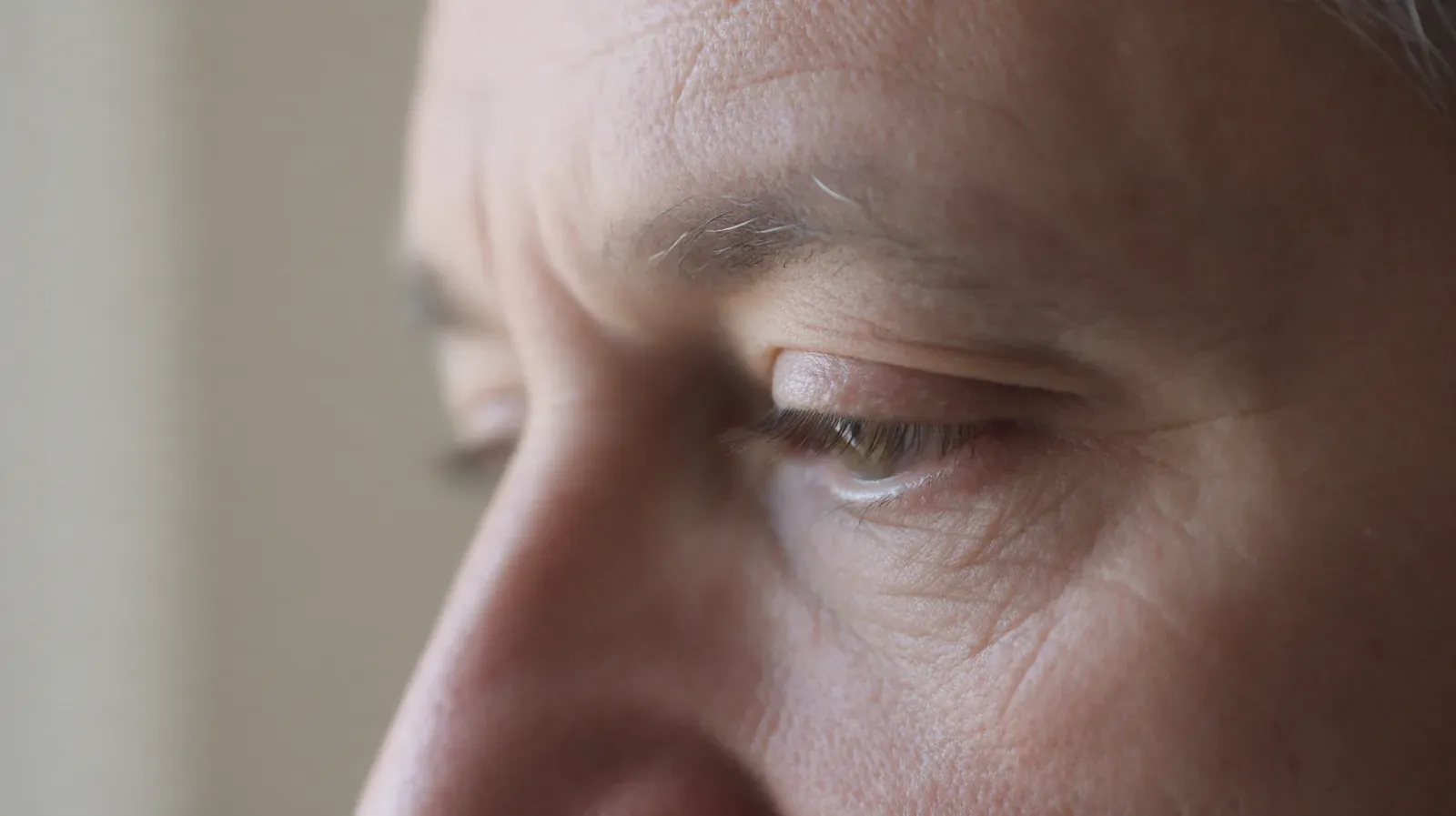
Drooping eyelids: excess skin, a lowered brow or ptosis
Drooping eyelids can reflect excess skin, a lowered eyebrow or ptosis. How the causes differ, treatment options and when to seek urgent advice.

Ultrasonic rhinoplasty
What it means and what to ask.
The scope of the blog
General information,
individual assessment.
The articles explain concepts and questions that may arise before a consultation. They cannot determine whether a procedure or treatment is suitable for an individual.
A medical recommendation requires knowledge of your medical history and an examination of your case. The procedure pages provide further information on options, recovery and risks.