

Dr. Gustavo Suárez · The doctor’s blog
Prominent ears: why they occur and how they are corrected at each age
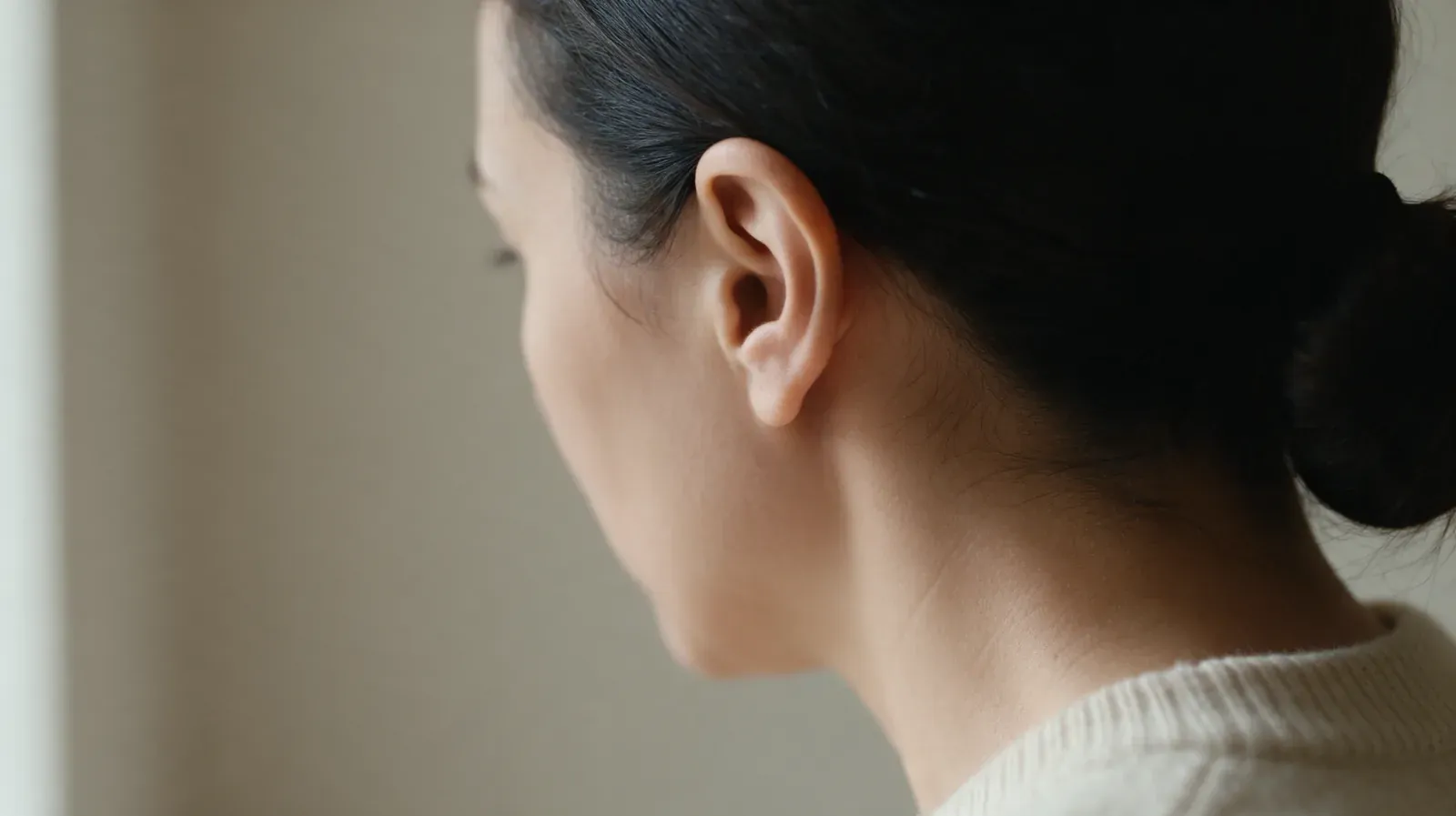
Prominent ears stand out from the head more than usual. Typically, the antihelix is insufficiently folded (the fold running through the ear inside its outer rim), the concha is deeper than usual, or both. In a newborn, there is a non-surgical option, ear moulding, which works best the earlier it begins within the first weeks of life. After that stage, correction is by otoplasty: in selected children it is considered from age 6 or 7, and adolescents and adults can also have surgery.
Written by Dr. Gustavo Suárez · Reviewed by Dr. Gustavo Suárez on
Read the article Read the articleProminent ears stand out from the head more than usual. Typically, the antihelix is insufficiently folded (the fold running through the ear inside its outer rim), the concha is deeper than usual, or both. In a newborn, there is a non-surgical option, ear moulding, which works best the earlier it begins within the first weeks of life. After that stage, correction is by otoplasty: in selected children it is considered from age 6 or 7, and adolescents and adults can also have surgery.
Why do prominent ears occur?
A systematic review published in 2026 in JPRAS Open describes two typical features of a prominent ear: an insufficiently folded antihelix and a deeper than usual concha. Either or both make the ear project outwards. Cleveland Clinic notes that it is a feature present very early in life.
According to the same review, it is one of the most common ear differences. There is also an emotional impact: the authors note that it may lower self-esteem, increase social anxiety and make children more vulnerable to teasing.
Can they be corrected without surgery?
In newborns, there is an option: ear moulding with splints or systems designed for this purpose. Timing matters: the earlier it begins, the better the ear responds.
A meta-analysis of 14 studies published in Aesthetic Plastic Surgery found an overall success rate of 93% for non-surgical correction of congenital ear deformities. Results were better when treatment started before 6 weeks of age (96% versus 82%). Prominent ears responded slightly less well than other types of deformity, with 85% success. Complications, such as skin wounds, irritation or rashes, were mild and easy to treat.
If your baby’s ears stand out markedly, discuss it promptly with their paediatrician: the window is short. After that stage, the correction described by SECPRE is otoplasty.

At what age can a child have surgery?
While the ear is still developing, surgery is generally not recommended. In selected cases, otoplasty can be performed safely from age 6 or 7, and each case is assessed individually.
Age is not the only criterion. The child’s own wish also matters. The Sociedad Española de Cirugía Plástica, Reparadora y Estética (SECPRE) notes that most plastic surgeons recommend parents observe their child’s behaviour, and that surgery should not be insisted upon until the child wants it.
What about adulthood?
Adolescents and adults are also candidates. SECPRE summarises it as follows: there is no defined age for otoplasty, which can be performed in children and adults. The reason for consultation is usually an ear that protrudes or a size that does not fit the rest of the face, and assessment covers general health and medical history.
There is a technical difference from childhood. The JPRAS Open review explains that techniques based only on sutures work better with young, flexible cartilage; in older patients, with firmer cartilage, recurrence is more frequent with these techniques. The same review counts more than 200 described techniques. The technique is therefore selected according to each ear’s anatomy and the desired change.
What is otoplasty and recovery like?
Otoplasty works on the ear cartilage through an incision behind the ear, concealing the scar in that area as it fades over time. It repositions the protruding ear closer to the head and, when size is the concern, allows reduction of a large ear. SECPRE adds that, even when only one ear looks abnormal, both are operated on most of the time to achieve better symmetry.
Discomfort in the first few days is controlled with medication. Activity is restricted while the area heals, and returning to swimming and contact sports comes later and is gradual. SECPRE describes a bandage around the head at the end of surgery and, afterwards, a lighter one resembling a headband, and advises avoiding activities in which the ears could be bent.
Pain, swelling, temporary numbness and the scar are part of expected recovery. Described complications include haematoma, infection, including infection of the cartilage, loss of symmetry between the ears and the possibility that they may protrude again. These are in addition to the general risks of any surgery. These complications are exceptional and, at the consultation following medical assessment, are explained individually.
Frequently asked questions
Frequently asked questions
Can prominent ears be corrected in a baby?
In the first weeks of life, non-surgical moulding achieves good results in studies, particularly when started before 6 weeks. Surgery is not recommended while the ear is still developing.
From what age can otoplasty be performed?
In selected cases, from age 6 or 7, and when the child wants it themselves. There is no defined upper age limit in adults.
Is otoplasty very painful?
Discomfort in the first few days is controlled with medication and varies between people. What to expect during recovery is explained before surgery.
Is the scar noticeable?
The incision is placed behind the ear, concealing the scar in that area. It fades over time.
Is it covered by the Spanish public healthcare system?
Coverage depends on the clinical indication and assessment by the public health service. The common benefits package excludes procedures for aesthetic purposes unrelated to an accident, illness or congenital malformation. Individual circumstances should be discussed within the public system.
A consultation without an obligation to decide
At the initial consultation, both ears are examined from different angles and in relation to the face. If the consultation is for a child, it is also assessed whether the ear has developed sufficiently. Expectations, risks and limits are discussed, and the decision need not be made that day.
Dr. Gustavo Suárez sees patients at LĀR CLINIC, Carrer del Mestre Nicolau, 19, 6th floor, Suite 1, Sarrià-Sant Gervasi (Barcelona), in Spanish and English. You can request a consultation by telephone, email or through the contact page.
Keep reading
Eye bags: why they appear and when surgery is considered
Eye bags mainly appear with age: the tissues around the eye lose firmness and the fat that protects it moves towards the lower eyelid. Lack of sleep, allergies, smoking, salt or family inheritance can make them more visible. When the bag is caused by fat and excess skin, the surgery that treats it is lower blepharoplasty. If what you see in the mirror is a hollow under the eye or dark discolouration, the approach is different.
Difficulty breathing through the nose: septum, turbinates and other causes
Difficulty breathing through the nose: a deviated septum, turbinates, nasal valves and other causes. Assessment, treatments and their limits.
Drooping eyelids: excess skin, a lowered brow or ptosis
Drooping eyelids can reflect excess skin, a lowered eyebrow or ptosis. How the causes differ, treatment options and when to seek urgent advice.
Further reading
More
information.
Back to the blog
More articles to prepare for your consultation.
Request a consultation
Contact Dr. Gustavo Suárez.
Sources of information
- Thomson H, Gosden J, Mandal A. JPRAS Open. 2026;49:221-233. Otoplasty for prominent ear: a systematic review of surgical techniques
- Wu H, Niu Z, Li G, et al. Aesthetic Plast Surg. 2022;46:173-182. Nonsurgical Treatment for Congenital Auricular Deformities: A Systematic Review and Meta-analysis
- SECPRE. Cirugía de las orejas
- Cleveland Clinic. Cosmetic Ear Surgery (Otoplasty)
This article provides general information and does not replace an individual medical assessment.