

Dr. Gustavo Suárez · The doctor’s blog
Eye bags: why they appear and when surgery is considered
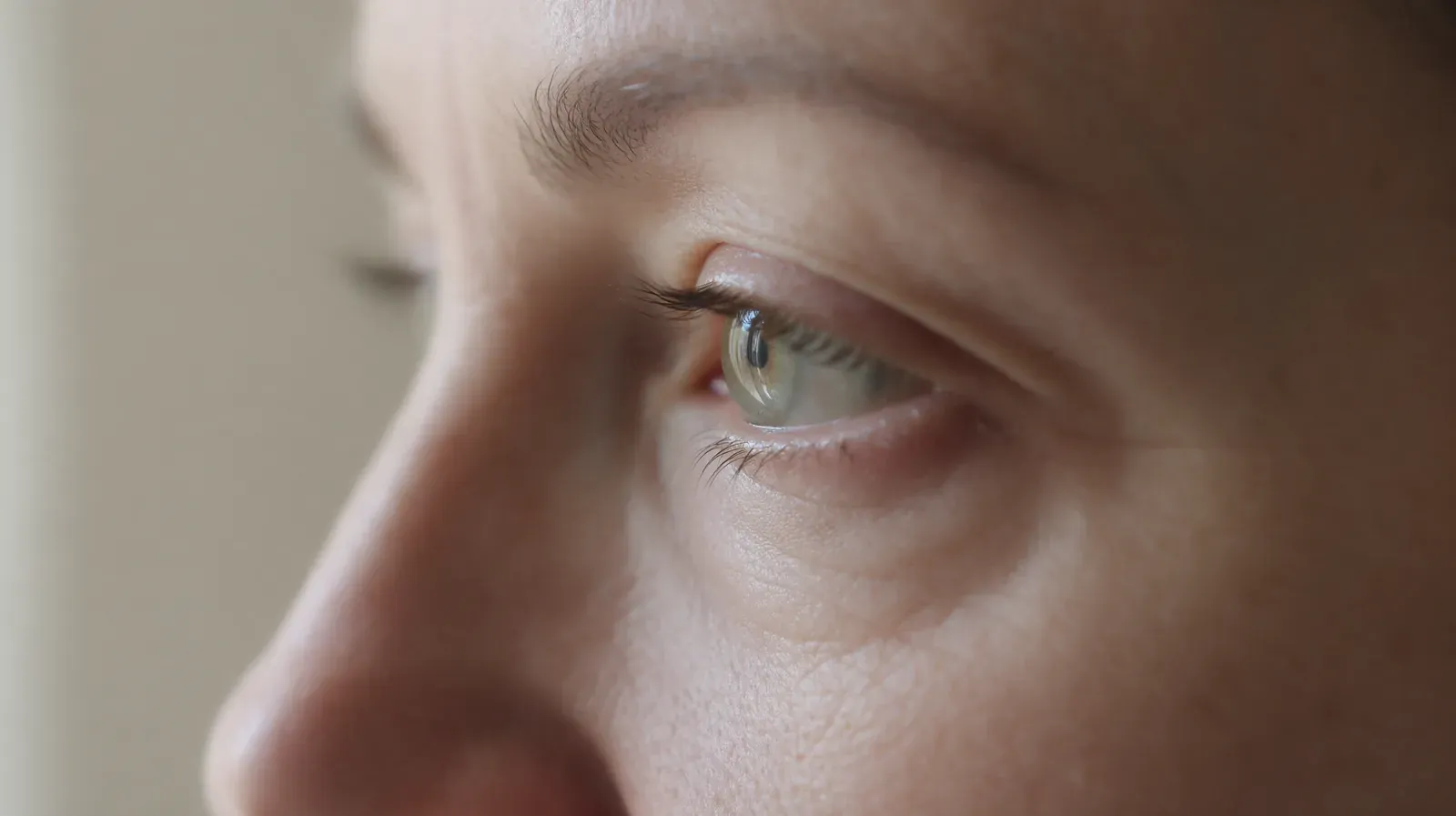
Eye bags mainly appear with age: the tissues around the eye lose firmness and the fat that protects it moves towards the lower eyelid. Lack of sleep, allergies, smoking, salt or family inheritance can make them more visible. When the bag is caused by fat and excess skin, the surgery that treats it is lower blepharoplasty. If what you see in the mirror is a hollow under the eye or dark discolouration, the approach is different.
Written by Dr. Gustavo Suárez · Reviewed by Dr. Gustavo Suárez on
Read the article Read the articleEye bags mainly appear with age: the tissues around the eye lose firmness and the fat that protects it moves towards the lower eyelid. Lack of sleep, allergies, smoking, salt or family inheritance can make them more visible. When the bag is caused by fat and excess skin, the surgery that treats it is lower blepharoplasty. If what you see in the mirror is a hollow under the eye or dark discolouration, the approach is different.
Why do bags appear under the eyes?
The American Academy of Ophthalmology (AAO) explains it as follows: over the years, the tissues around the eye weaken and sag, allowing fat to move towards the lower eyelid, which looks swollen. Fluid can also collect in this looser tissue, increasing the swelling.
Other factors influence this process. The same source lists lack of sleep, dehydration, smoking, alcohol, allergies and fluid retention, which is more noticeable on waking or after a salty meal. There is also a family component: eye bags can be inherited.
They are generally harmless. The AAO advises seeking advice if the swelling hurts, itches, is red or does not go away. Cleveland Clinic recommends calling your doctor if dark circles or swelling appear under only one eye.
Is it a bag, a hollow or dark circles?
They are easily confused in the mirror, but they are three different things.
A bag is a bulge in the lower eyelid. It is usually caused by fat that has moved forward and, sometimes, excess skin.
The tear trough is the hollow beneath the eye. Cleveland Clinic notes that it creates shadows that make the eyes look more swollen, and the AAO adds that the swollen eyelid itself, the nose or the eyebrow can cast a shadow in the area.
Dark discolouration is a change in the skin. According to Cleveland Clinic, too much sun makes the skin produce more melanin, and with age the skin under the eye becomes thinner, revealing the blood vessels.
Distinguishing them matters because treatment differs. Lower blepharoplasty targets the bag and excess eyelid skin. It does not remove facial wrinkles, correct a drooping eyebrow or treat pigmented dark circles. Assessment therefore begins by identifying what is being seen.
Can eye bags be removed without surgery?
It depends on the cause. For swelling and the factors that worsen it, the AAO suggests simple measures:
- apply a clean, damp, cool cloth around the eyes for a few minutes while seated;
- sleep for seven to nine hours, with the head slightly raised;
- drink less before bedtime and reduce salt;
- stop smoking;
- treat allergies and avoid rubbing your eyes.
For skin and colour, the AAO and Cleveland Clinic describe other options, such as laser treatment, chemical peels, some creams or fillers, aimed at the texture, tone or volume of the area. When the bag is caused by fat that has moved forward with age, the AAO mentions blepharoplasty, which removes or repositions it.

When is lower blepharoplasty considered?
Lower blepharoplasty is lower eyelid surgery aimed at bags and excess skin. It makes sense when there is a bag, rather than dark discolouration, and expectations match what surgery can achieve. A suitable candidate seeks improvement rather than absolute perfection, is in good general health and has realistic expectations.
The incision may be placed below the lash line or inside the eyelid. From there, fat in the bag can be removed or repositioned to fill the hollow under the eye. This distinction, removal or redistribution, is the main difference between one lower blepharoplasty and another, and depends on examination. Excess skin is also removed when examination indicates it.
More than the eyelid is checked before surgery. Vision and tear production are assessed, and it is useful to know the ophthalmic history, particularly glaucoma, dry eye or retinal detachment. Thyroid disorders, hypertension and diabetes are considered risk factors, as are regular medication, allergies and smoking.
If you are also concerned about the upper eyelid, mention it at the same consultation. Upper blepharoplasty is a different procedure and the two can be considered together. If the eyebrow has descended, this is assessed separately: it is treated by a brow lift, rather than eyelid surgery.
What are the risks and what is recovery like?
Discomfort settles with medication. Swelling and bruising gradually ease, and relative rest is advised in the first few days. Returning to work, contact lenses and exercise is gradual. While swelling remains, what you see in the mirror will still change.
Oedema, bruising and temporary blurred vision are part of the expected recovery. General complications of blepharoplasty include infection, bleeding, dry eye, asymmetric healing and, exceptionally, changes in vision. The lower eyelid also has two specific complications: eyelid retraction, which exposes the white of the eye below the iris, and ectropion, in which the eyelid edge turns outwards. The result may not be as expected and may lead to another procedure.
These complications are exceptional. At the consultation, following medical assessment, they are explained individually according to each patient’s characteristics.

Frequently asked questions
Frequently asked questions
Are eye bags hereditary?
They can be. The AAO includes inheritance among the factors that contribute to eye bags, along with age, lack of sleep, allergies, smoking or fluid retention.
Who is a suitable candidate for eye bag surgery?
A suitable candidate is someone who seeks improvement rather than absolute perfection, is in good general health and has realistic expectations. The assessment also reviews the eyes and general health.
Does lower blepharoplasty remove dark circles?
Not dark discolouration. Surgery targets the bag and excess eyelid skin; pigmented dark circles are not corrected by it. When fat is repositioned, it can fill the hollow beneath the eye, and this is decided during examination.
Can the upper eyelid be operated on at the same time?
Yes. They are two different procedures that can be considered together. If you are also concerned about the upper eyelid, it is useful to mention it at the same consultation.
How long does recovery take?
There is no single timeframe for everyone. Discomfort settles with medication, swelling and bruising gradually ease, and returning to work, contact lenses and exercise is gradual, according to each person’s progress.
If you want to understand the cause of your eye bags
The initial consultation consists of a conversation and an examination. You do not need to arrive with anything decided, and the decision need not be made that day. Bring a list of your questions, your medication and your ophthalmic history.
Dr. Gustavo Suárez sees patients at LĀR CLINIC, Carrer del Mestre Nicolau, 19, 6th floor, Suite 1, Sarrià-Sant Gervasi (Barcelona), in Spanish and English. You can request a consultation by telephone, email or through the contact page.
Keep reading

Prominent ears: why they occur and how they are corrected at each age
Prominent ears stand out from the head more than usual. Typically, the antihelix is insufficiently folded (the fold running through the ear inside its outer rim), the concha is deeper than usual, or both. In a newborn, there is a non-surgical option, ear moulding, which works best the earlier it begins within the first weeks of life. After that stage, correction is by otoplasty: in selected children it is considered from age 6 or 7, and adolescents and adults can also have surgery.

Difficulty breathing through the nose: septum, turbinates and other causes
Difficulty breathing through the nose: a deviated septum, turbinates, nasal valves and other causes. Assessment, treatments and their limits.
Drooping eyelids: excess skin, a lowered brow or ptosis
Drooping eyelids can reflect excess skin, a lowered eyebrow or ptosis. How the causes differ, treatment options and when to seek urgent advice.
Further reading
More
information.
Back to the blog
More articles to prepare for your consultation.
Request a consultation
Contact Dr. Gustavo Suárez.
Sources of information
This article provides general information and does not replace an individual medical assessment.