

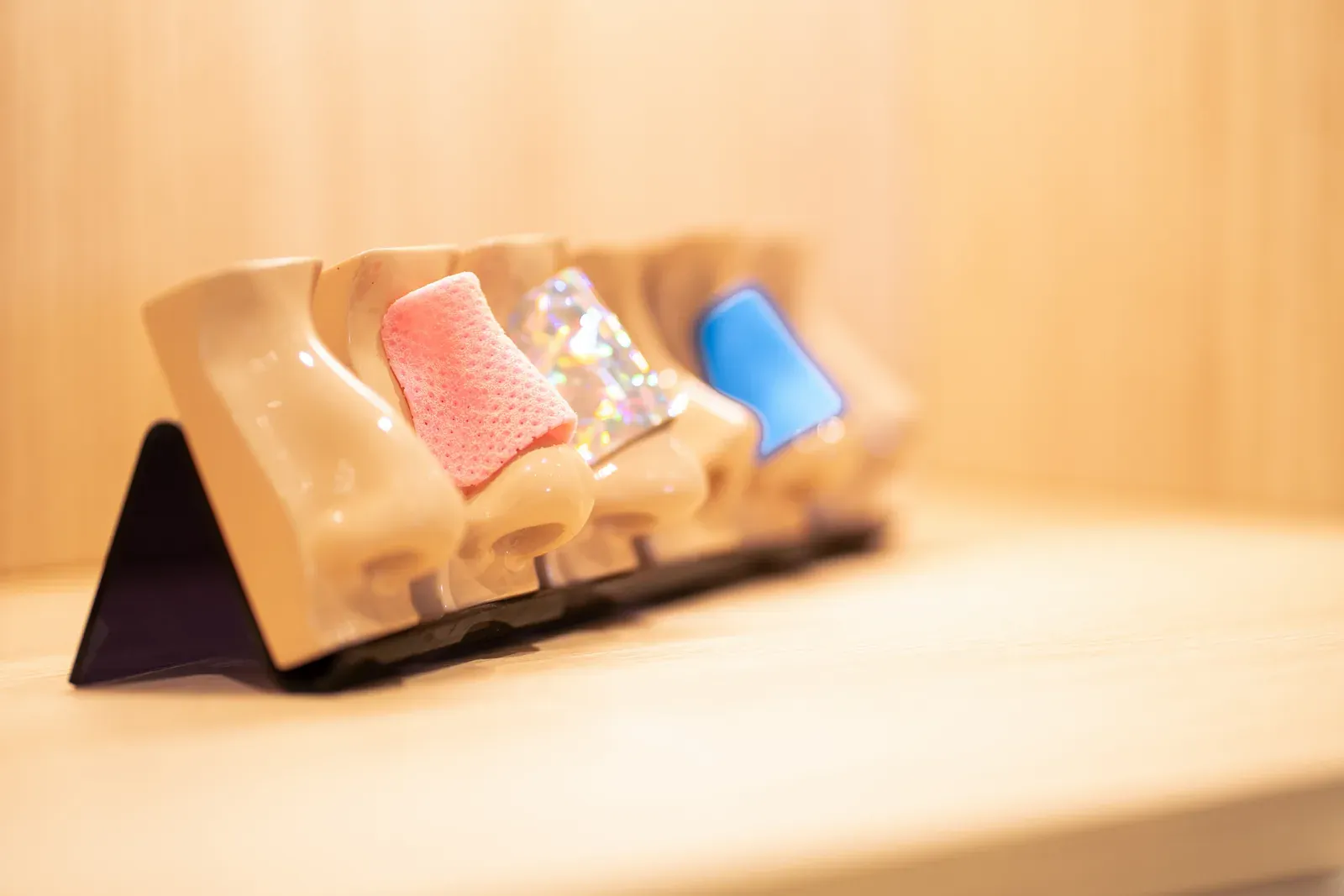
Dr. Gustavo Suárez · The doctor’s blog
Difficulty breathing through the nose: septum, turbinates and other causes
Difficulty breathing through the nose: a deviated septum, turbinates, nasal valves and other causes. Assessment, treatments and their limits.
Written by Dr. Gustavo Suárez · Reviewed by Dr. Gustavo Suárez on
Read the article Read the articleIf you continually struggle to breathe through your nose and do not have a cold, the most common cause is a deviated nasal septum, according to the Sociedad Española de Otorrinolaringología (SEORL-CCC). Turbinates enlarged by rhinitis, a weakened nasal valve or continued use of decongestant sprays can also narrow the airway. Identifying your cause requires examination inside the nose, often with endoscopy. Many of these causes have medical treatments; surgery is considered when symptoms persist and affect daily life.
Why is my nose blocked when I do not have a cold?
Nasal obstruction is very common. SEORL-CCC estimates that one third of the population has some form of nasal obstruction and that at least a quarter of those people will need surgery. These are the main causes assessed.
A deviated septum
The septum is the cartilage and bone structure dividing the nose into two cavities. When it folds, becomes deformed or curves to one side, it can obstruct airflow. SEORL-CCC notes that deviation can result from trauma or changes during growth.
Enlarged turbinates
The turbinates are structures inside the nose. The lower ones filter, warm and moisten the air you breathe. With rhinitis or rhinosinusitis, they may become inflamed or enlarged and make breathing difficult.
The nasal valve
The nasal valve is the passage through which air enters, from the middle of the nose to the nostrils. Cleveland Clinic explains that it narrows when its supporting tissue, mainly cartilage, weakens, which can happen with age, after nasal surgery or following an injury. Breathing difficulty may worsen during exercise or when lying down.
Overuse of decongestant sprays
Cleveland Clinic warns that sprays containing oxymetazoline or phenylephrine, used beyond the usual three-day limit, can worsen congestion. This is called rhinitis medicamentosa or rebound congestion. The first step in treatment is gradually reducing their use; stopping abruptly can worsen symptoms, and the same source states that a doctor helps withdraw them gradually.
Other causes
The consultation also assesses possible associated causes, such as sinusitis or allergy, and whether further tests are needed.
How can I tell if I have a deviated septum?
A slightly crooked septum is very common. Cleveland Clinic estimates that around 8 in 10 people have one, and many never notice it. When deviation is significant, the most common symptoms are:
- difficulty breathing, often worse on one side;
- nosebleeds;
- facial pain;
- noisy breathing and snoring.
Congestion, nasal dryness, reduced sense of smell, tiredness or headache may also accompany a deviation.
Symptoms offer clues, but are not enough to locate the problem. A thorough examination with nasal endoscopy identifies the location and nature of the deviation, and distinguishes whether the problem is in the septum, the turbinates or also the external shape of the nose. The nasal valves are examined at the same time.
When is septum surgery appropriate, and when is it not?
Deviations that cause no symptoms do not usually require correction. Surgery is recommended when deviation causes health problems affecting daily life and sleep quality. Medication can ease mild symptoms but does not straighten the septum: Cleveland Clinic notes that surgery is the only way to correct the deviation.
That surgery is septoplasty. It corrects the septum to improve airflow and is not intended to change the nose’s appearance. The endonasal approach uses the natural openings and leaves no external incision. According to SEORL-CCC, the endoscopic approach can be used for the vast majority of deviations and, in many cases, avoids sutures or nasal packing.
It is also useful to know its limits: septoplasty alone does not remove polyps or guarantee resolution of sinusitis, snoring or apnoea.
What if the problem is in the turbinates?
Before surgery, it is checked whether obstruction responds to medical treatment. Topical treatments and antihistamines are among the non-surgical options. If these are insufficient, turbinate surgery reduces their volume.
Radiofrequency is one option: it reduces tissue using controlled thermal energy. SEORL-CCC describes it as the most commonly used surgery to reduce obstructing turbinates, very often in patients with rhinitis. Techniques to reduce the submucosal tissue and bone component also exist. The procedure is performed through the nostrils, without external scars and generally without nasal packing. In selected patients, it can be performed at the clinic under local anaesthesia.
Two limits should be clear. Turbinate surgery does not treat rhinitis or allergy, although it is widely used in patients with rhinitis. It is not always definitive either: some people need a repeat procedure, especially if they have chronic allergic problems. Excessive tissue reduction can alter nasal function and be associated with empty nose syndrome, so the aim is to preserve functional tissue.
Septoplasty, rhinoplasty or septorhinoplasty?
These are three different procedures. Septoplasty corrects the septum to address obstruction and improve breathing. Rhinoplasty changes the shape or size of the nose; functional rhinoplasty addresses alterations of nasal structures that hinder breathing, such as a narrow nasal valve. When both the septum and the shape need correction, the combined procedure is septorhinoplasty.
If the turbinates also restrict airflow, assessment takes this into account: turbinate surgery acts on another structure and is decided according to the location of the problem. Examination, rather than the name of a technique, determines the appropriate combination.
Frequently asked questions
Frequently asked questions
Can a deviated septum be corrected without surgery?
Medication can ease mild symptoms but does not correct the deviation. According to Cleveland Clinic, surgery is the only way to correct a deviated septum.
Does septoplasty change the shape of the nose?
Changing appearance is not its aim: it acts on the septum. The endonasal approach leaves no external incision. If an open approach or a change in shape is also required, this should be explained in the individual plan.
Do operated turbinates grow back?
Some people need a repeat procedure, especially those with associated allergic problems. It is useful to allow for that possibility from the outset.
Does septum surgery stop snoring?
Not necessarily. Septoplasty alone does not guarantee resolution of sinusitis, snoring or apnoea.
What is recovery from septoplasty like?
It is gradual. Initially there is congestion and swelling, which ease little by little. Avoiding blowing your nose, sneezing with your mouth open and sleeping propped up help protect the operated area. Returning to work or exercise depends on the procedure, progress and type of activity.
When should I request an assessment?
When breathing difficulty persists and affects your quality of life. Cleveland Clinic advises seeking advice if symptoms interfere with breathing or disrupt sleep.
A consultation to identify where airflow is restricted
At the initial consultation, the nose is assessed inside and outside: the septum, nasal valves and turbinates. The available options, including non-surgical ones, are then explained, with their risks and limits. You do not need to arrive with a technique chosen, and the decision need not be made that day.
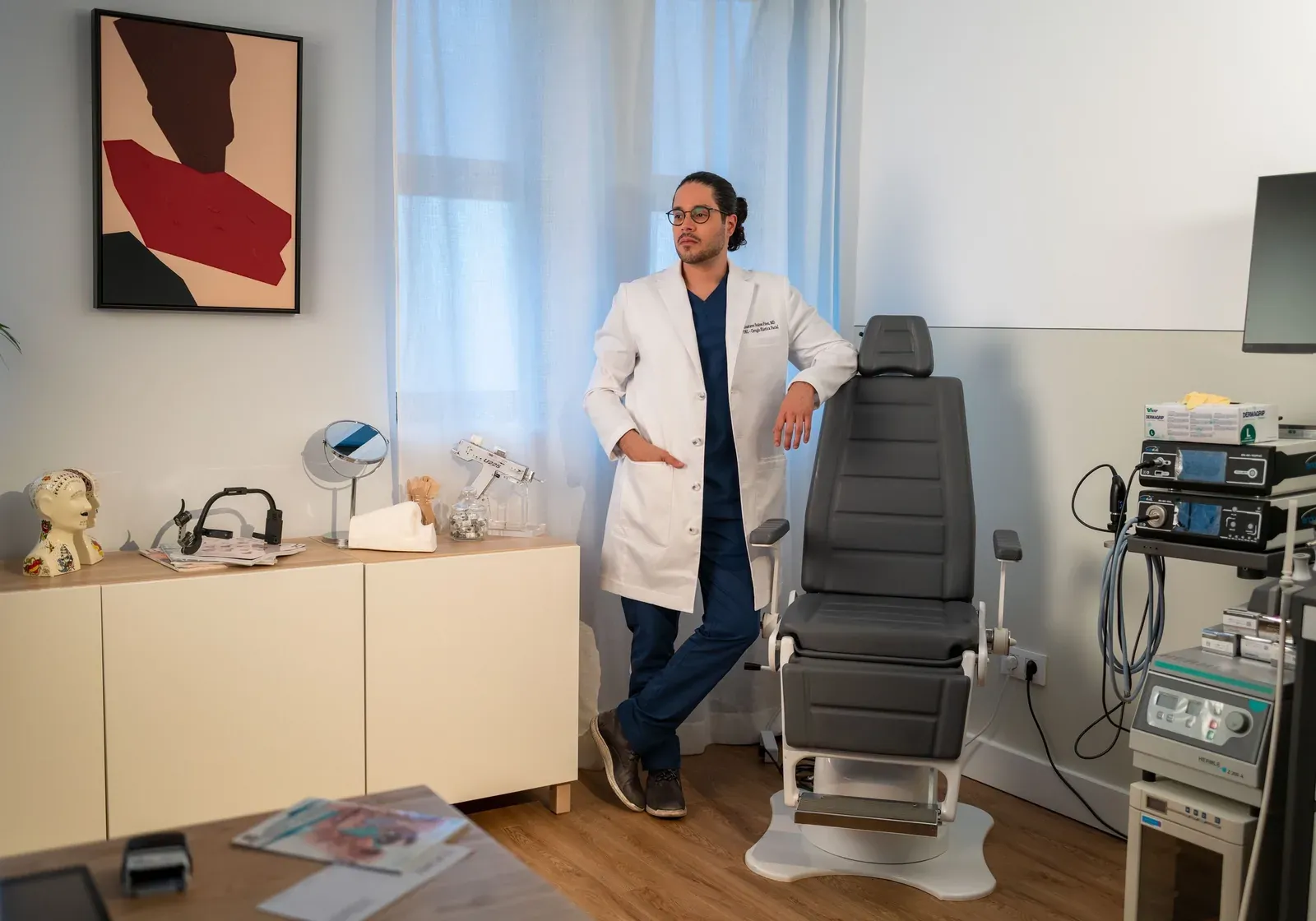
Dr. Gustavo Suárez, an otorhinolaryngology specialist with a fellowship in facial plastic surgery, sees patients at LĀR CLINIC, Carrer del Mestre Nicolau, 19, 6th floor, Suite 1, Sarrià-Sant Gervasi (Barcelona), in Spanish and English.
Keep reading
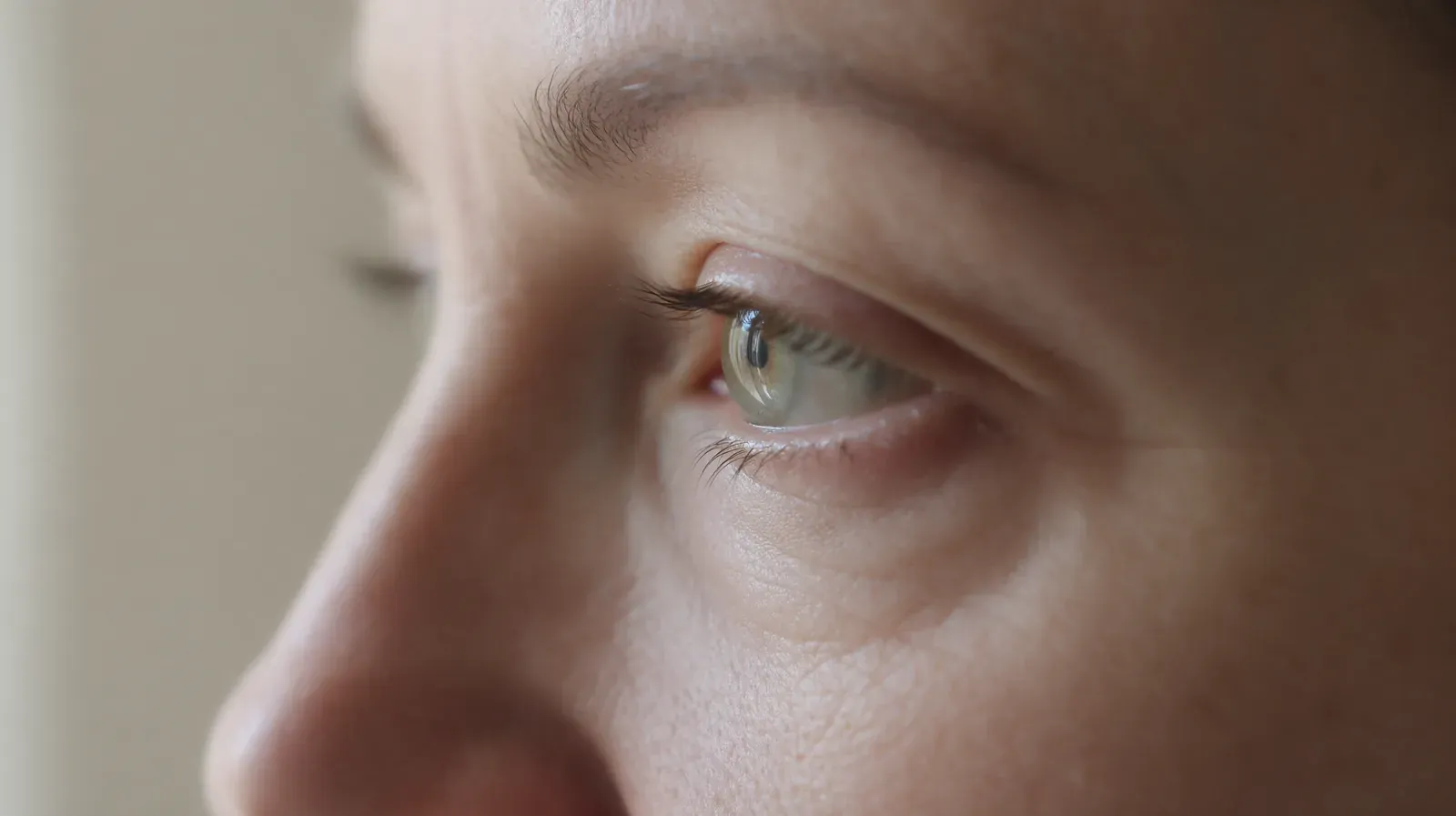
Eye bags: why they appear and when surgery is considered
Eye bags mainly appear with age: the tissues around the eye lose firmness and the fat that protects it moves towards the lower eyelid. Lack of sleep, allergies, smoking, salt or family inheritance can make them more visible. When the bag is caused by fat and excess skin, the surgery that treats it is lower blepharoplasty. If what you see in the mirror is a hollow under the eye or dark discolouration, the approach is different.
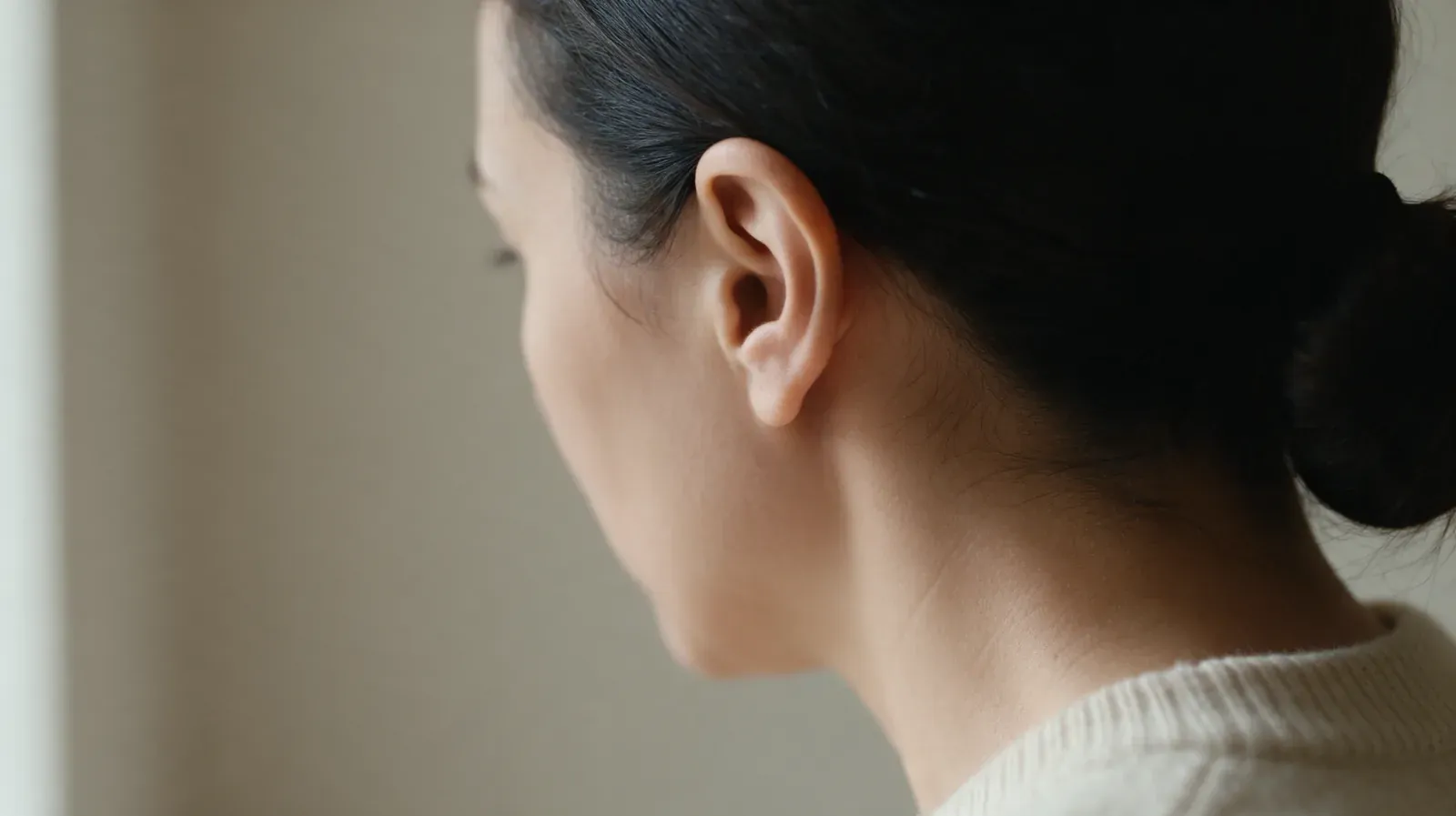
Prominent ears: why they occur and how they are corrected at each age
Prominent ears stand out from the head more than usual. Typically, the antihelix is insufficiently folded (the fold running through the ear inside its outer rim), the concha is deeper than usual, or both. In a newborn, there is a non-surgical option, ear moulding, which works best the earlier it begins within the first weeks of life. After that stage, correction is by otoplasty: in selected children it is considered from age 6 or 7, and adolescents and adults can also have surgery.
Drooping eyelids: excess skin, a lowered brow or ptosis
Drooping eyelids can reflect excess skin, a lowered eyebrow or ptosis. How the causes differ, treatment options and when to seek urgent advice.
Further reading
More
information.
Back to the blog
More articles to prepare for your consultation.
Request a consultation
Contact Dr. Gustavo Suárez.
Sources of information
This article provides general information and does not replace an individual medical assessment.